Doll Off Drugs is a new incentive from NYC’s Linux to take a little break from the party – and she’s speaking directly to her community of other dolls aka trans girlies who might need a lil time out from the good times…. even just for March.
After all, soon enough… it’s gonna be MAY.
Check out more from Linux on her “DOD” initiate after the jump! Using her platform for GOOD. We like it! #DollsOffDrugs
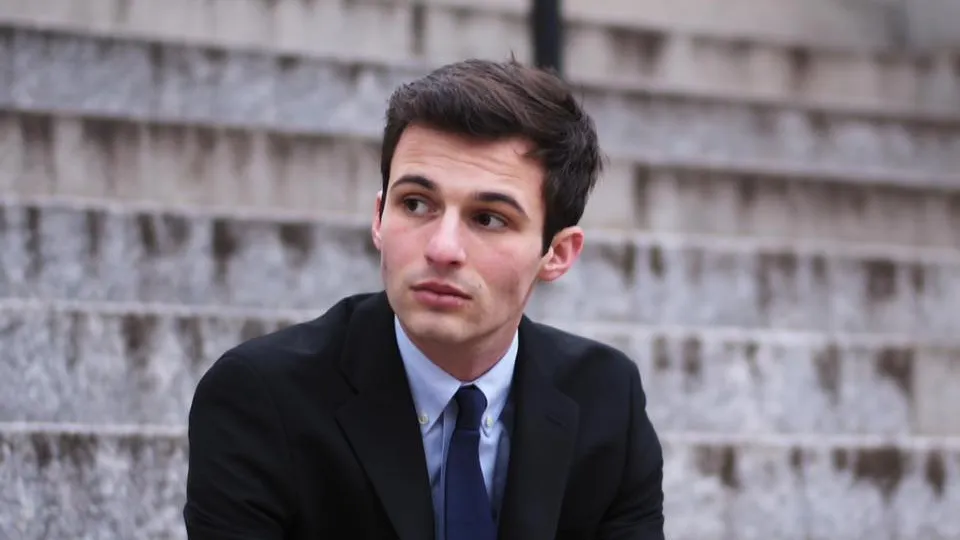
New York’s 12th congressional district is loaded with TWINK candidates this year! Cameron Kasky, (a twink himself) who is currently running for the NY-12 congressional seat, appeared on the Don Lemon Show and described the race as a “twink-off,” featuring a “cadre of twinks.”
“It makes you feel like you are on the ferry to Fire Island Pines getting ready to go dance with a lot of people who are on G…”
Well, he’s speaking to young voters and he’s got their attention now!
Check out Cameron saying that without batting an eye in the video after the jump!
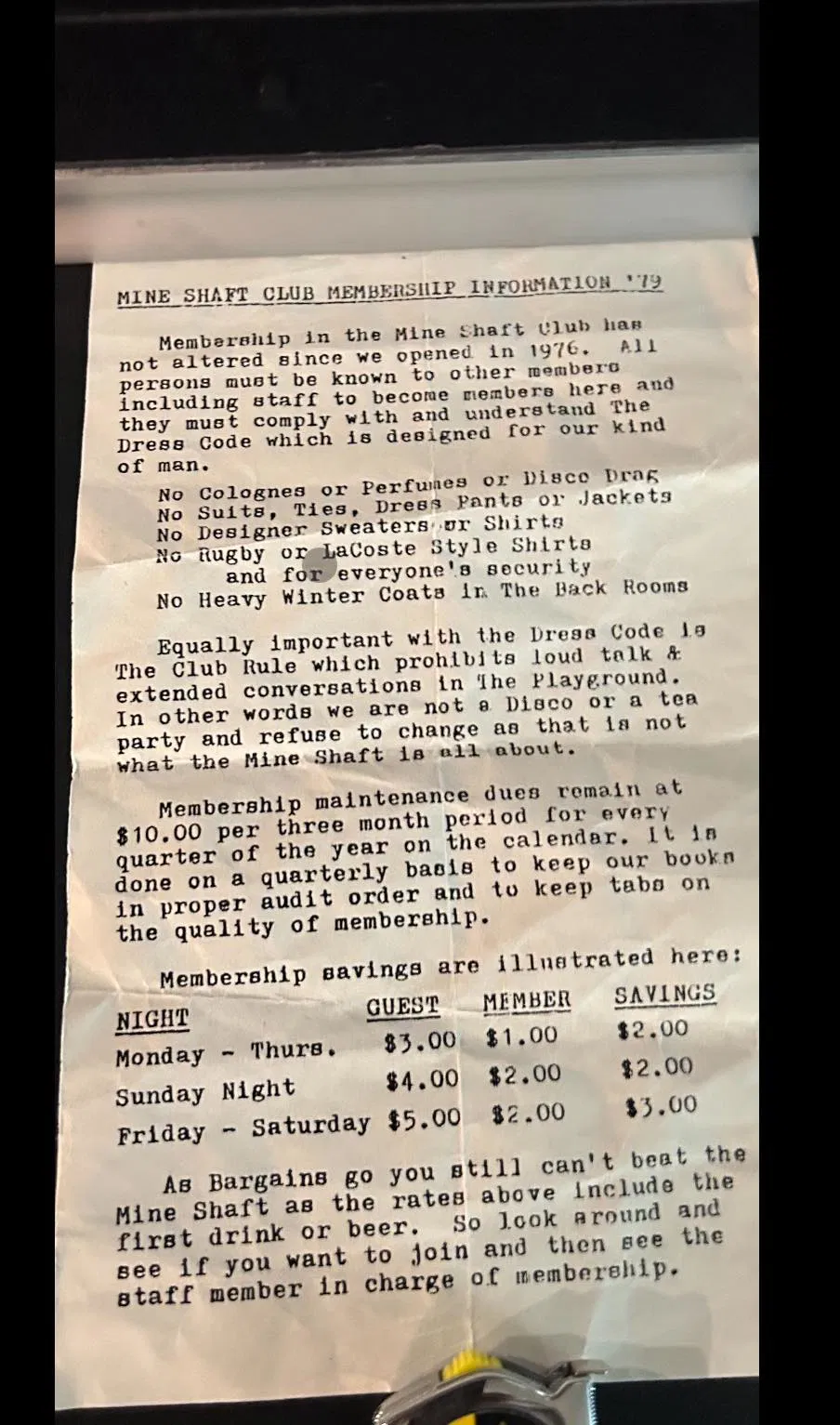
A Facebook post recently circulated showing the legendary entry requirements for The Mineshaft, one of New York City’s most notorious gay clubs. The image appeared in the group Gay New York 1970s and 80s, sparking conversations about the era’s uncompromising queer nightlife.
Opening in 1976 where the Meatpacking District meets Greenwich Village, The Mineshaft operated as a members-only cruise club with a famously rigid dress code. The rules were clear: leave your cologne at home, and don’t even think about showing up in khakis and a polo…
If the world was a fair place, and Chris Meloni was gay – this is what it might be like (SOUND OFF) experiencing going over to his place after you meet on Sniffies… (we’re kidding, Sherman you absolute goddess!)
Step inside their luxe penthouse with Architectural Digest above!
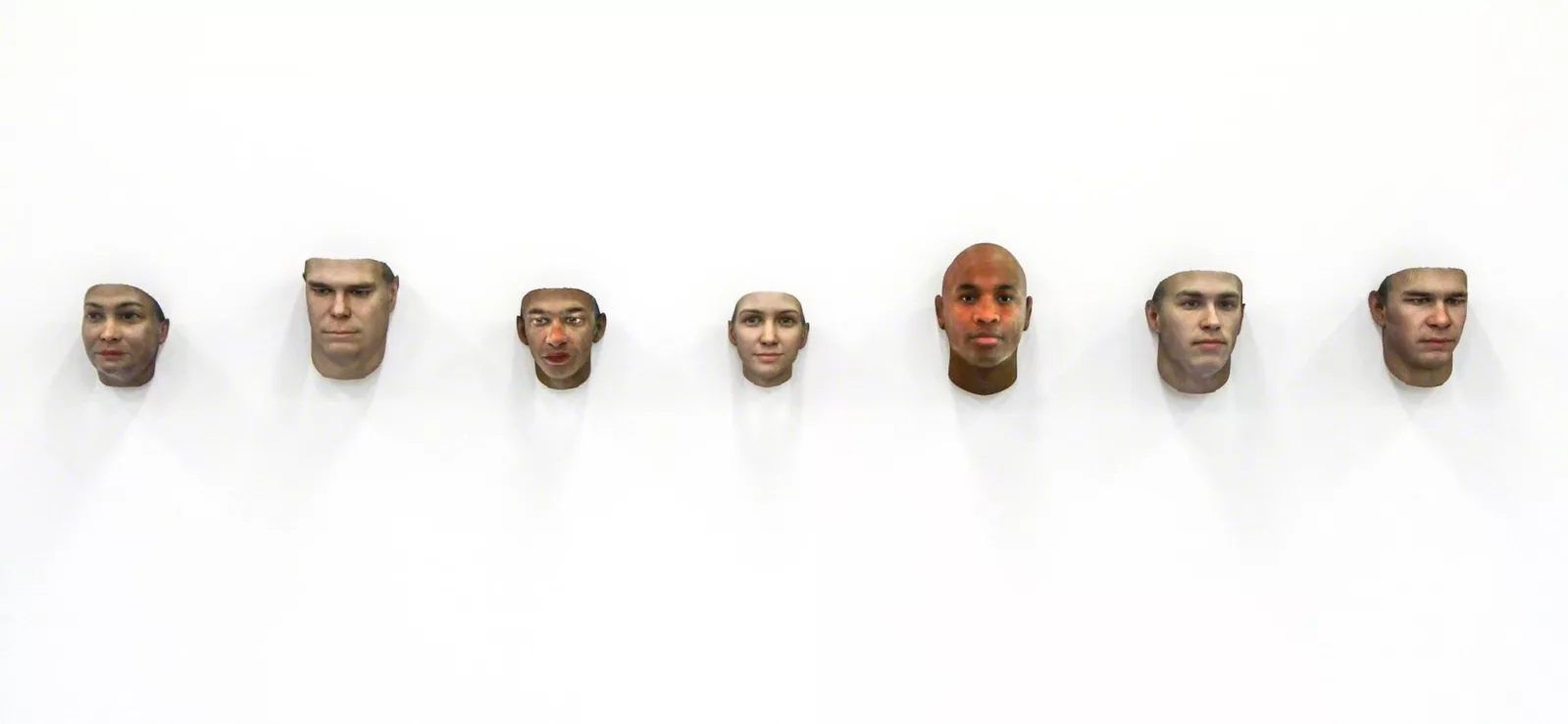
In “Stranger Visions,” artist Heather Dewey-Hagborg collected stray hairs, gum and tossed cigarettes from strangers all around New York to create detailed masks of what these people might look like.
She extracted genetic material from these traces and used forensic software to create 3D-printed, life-size portraits of the anonymous individuals based solely on their genetic data. The project highlighted the rising power of DNA phenotyping and warned of a future where personal identity could be reconstructed without consent.
That future came quickly: Just two years later, companies like Parabon NanoLabs began offering DNA “snapshots” to law enforcement, raising ethical concerns about surveillance, bias, and racial profiling — issues Dewey-Hagborg continues to address in her work.
Check out some more images of these masks and a video detailing Heather’s scientific process after the jump!